Information about our Parish History maintained by our parish office.
-
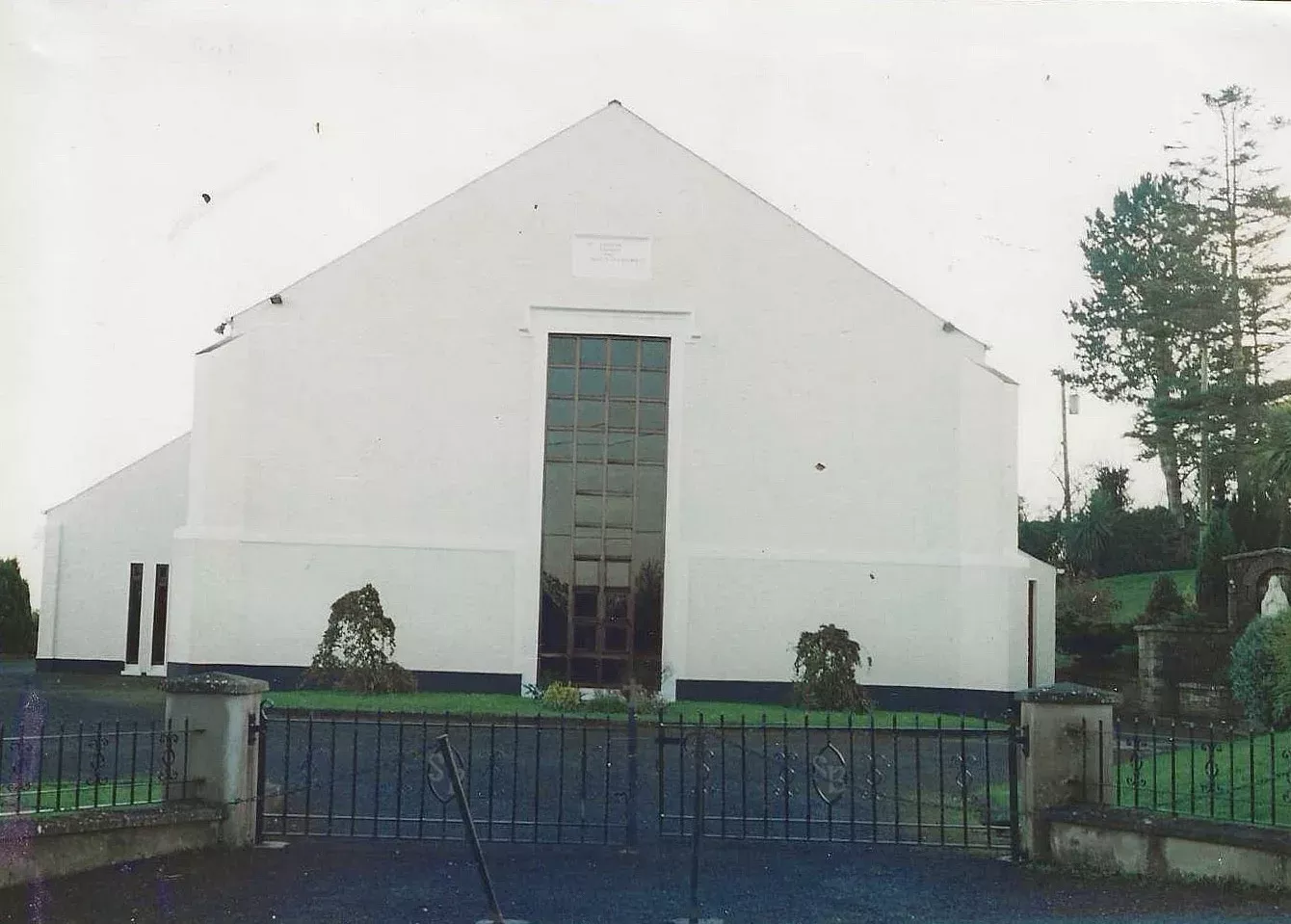
Meath Hill Church: 1981–1982 Reconstruction
Meath Hill ChurchPlans were made to have the church reconstructed in 1974 but the project was postponed until 1981 when Fr. Butler took charge of it. The work commenced in November of that year and was completed in July of 1982.The architects responsible were Patrick Rooney and Associates, Ballsbridge, Dublin 4 and the contractors were…
-
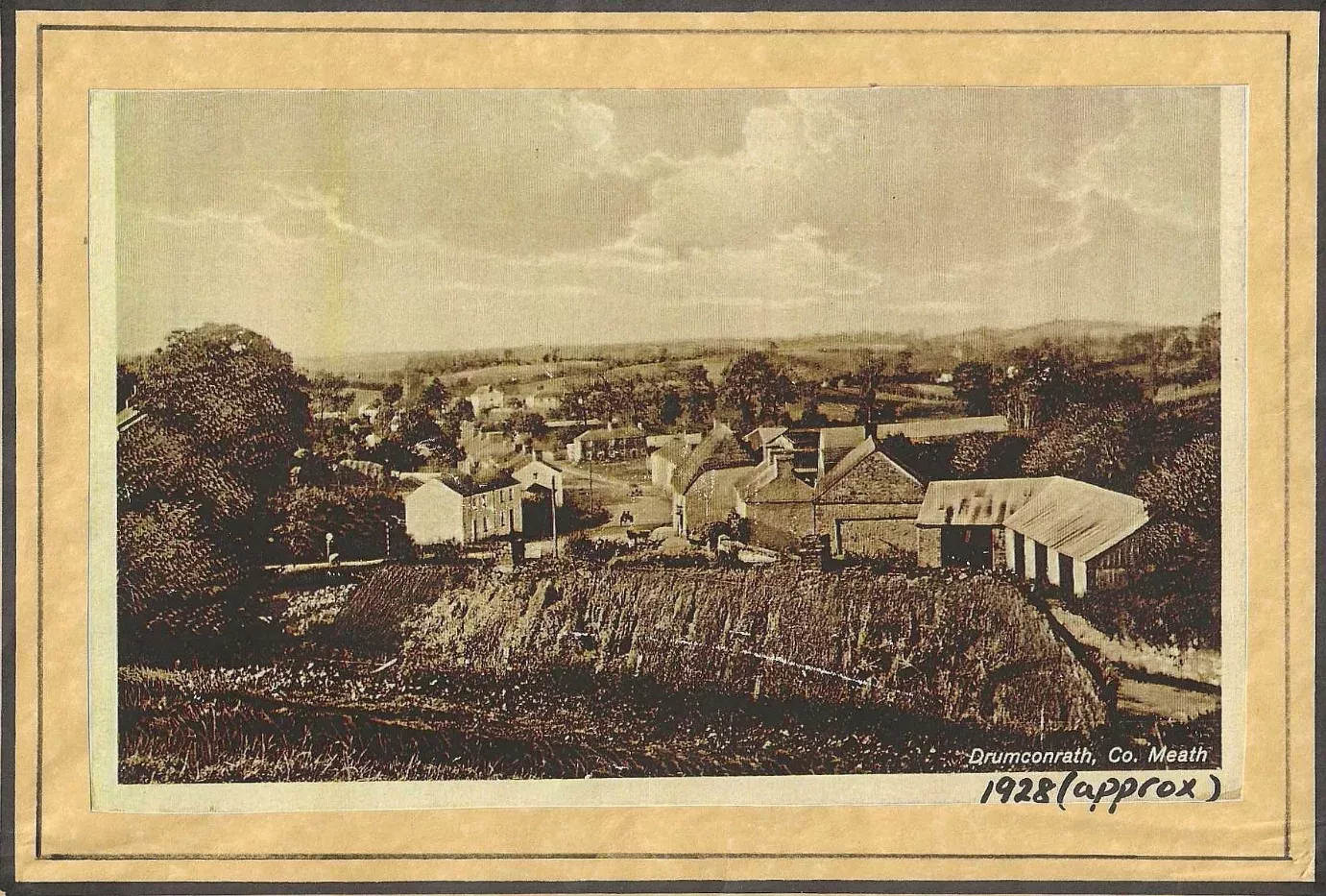
Origin of name: ‘Drumconrath’
The following is study of the name in manuscript and document. Druim Condraighe: ‘the raighe’ or ‘raidhe’ means people or tribe. The hill or ridge of the Condra tribe.All scholars agree that ‘raighe’ = people/tribe (e.g. Joyce in his “Placenames” and an tAth. De Bhulf in his clan names)Mythology has it in the book of…
-
Aodh Mac Domhnaill
Aodh Mac DomhnaillPoet and Philosopher1802 – 1867Aodh Mac Domhnaill was born in 1802 in Lower Drumgill, Co. Meath. His name is variously translated as McDonnell or McDaniel. We Know very little about his family or about his early life. His ancestors had come originally from County Louth and from some letters we know that his…
-
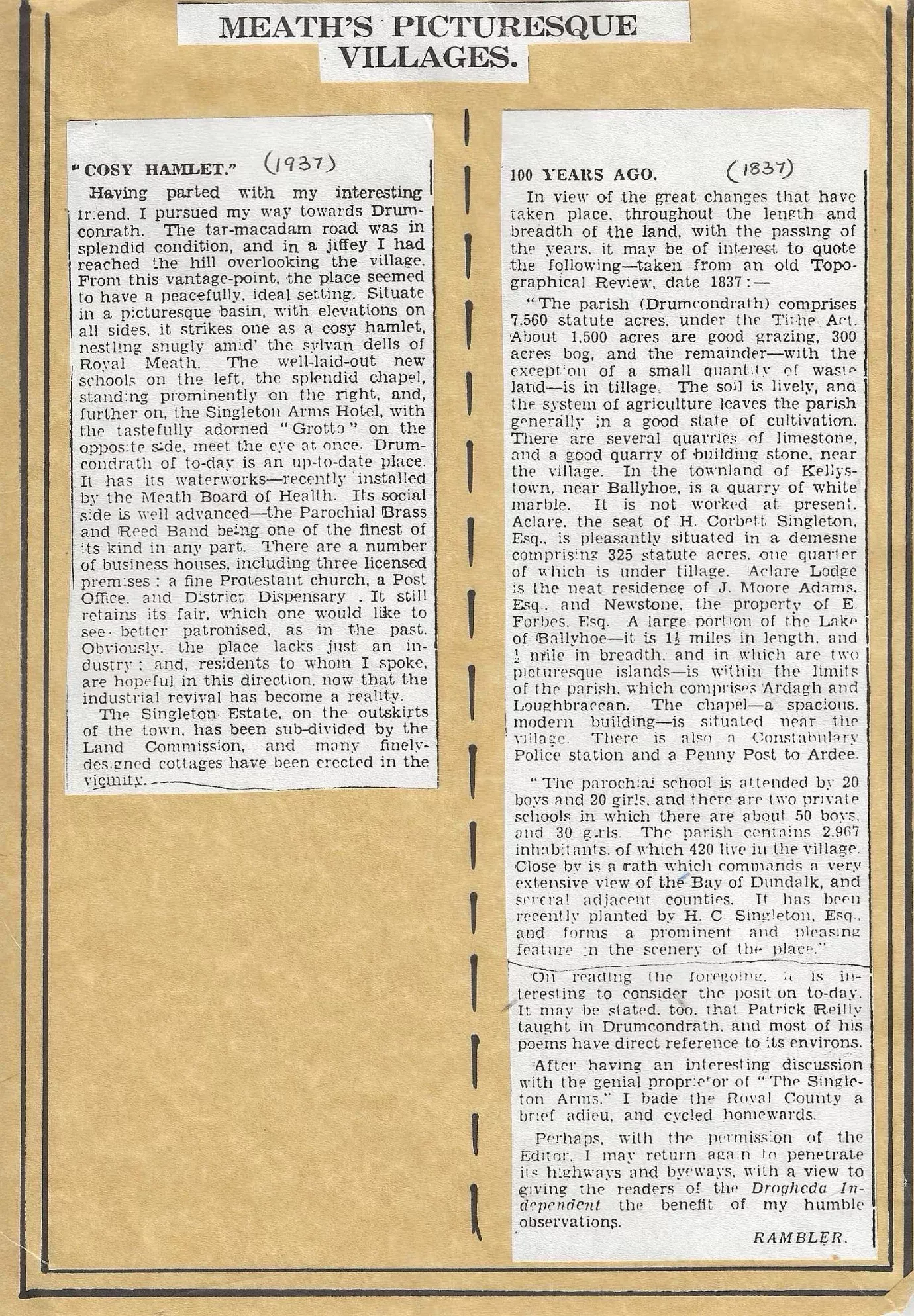
Drumcondra Village. (1890 approx)
• Drumcondra Village. (1890 approx) The houses are generally ground floor and thatched. There is a Post Office, Police Station and Pound on North side of the street. On the South side, there is a Church, a neat one storey building in good repair and a dispensary. The Glebe house – a small two storey…
-
14th-century raids on Drumcondrath and Ardee
In the 14 century there were continuous raids against Drumcondrath and Ardee by the Gaelic chieftains McMahon and O’ Reilly (Lydon 1977, 7). Researched and Compiled by Kathleen McArdle, “Brookville”, Drumconrath. Source: Faith History of Drumconrath – Meath Hill.
-
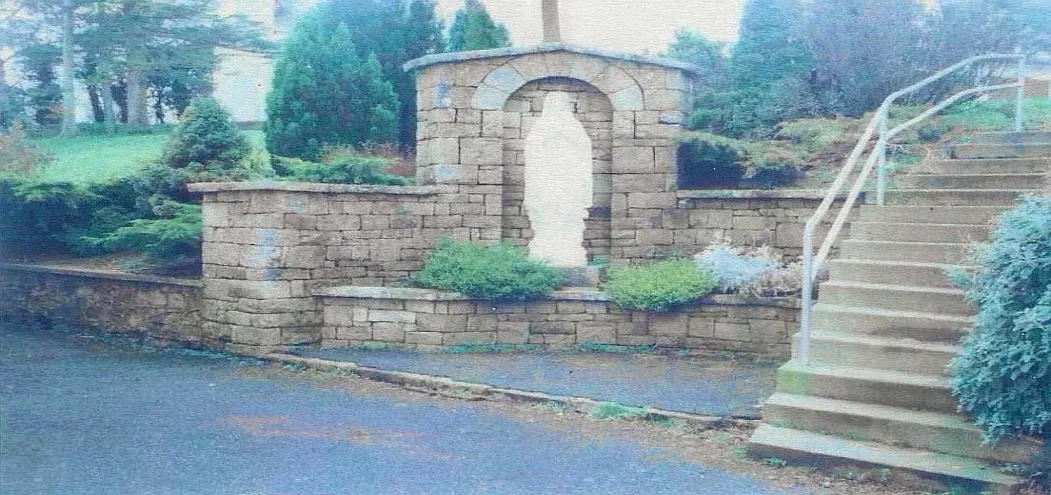
Meath Hill Shrine
The present shrine standing in the grounds of Meath-Hill Churchyard was erected in 1954. Fr. A. O’Neill being parish priest of the parish at that time took charge of the work. The sandstone was quarried locally, mainly Carrickleck. Local voluntary labour and transport left the stone on site and this in turn was dressed, cut,…
-
Industries and Handcrafts.
Two subsidiary industries are (1) Fruit growing, particularly damson raising, and (2) the growing of whitethorn quicks, both extensively engaged i n in the neighbourhood of Ardagh and Ballyhoe Lake. The cultivation of the whitethorn quicks is of interest in that there are very few places wherein this particular form of economic activity is considered…
-
Monastery tradition in Drumconrath Village
Monica Saul (aged 14) said “My Grandfather told my father that the old wall o f his garden in Drumconrath Village was the ruins of a monastery” (Schoolchildren’s Notes 1937 – U.C.D.) Researched and Compiled by Kathleen McArdle, “Brookville”, Drumconrath. Source: Faith History of Drumconrath – Meath Hill.
-
Frieze Cloth
There was a ‘tuck mill in Aclare where cloth was put through first process then taken to Drogheda for finishing. Matt Reilly (R.I.P.1925 aged 80 years) said his father took 2 stone of cloth to Drogheda; he walked there and then walked home. James Dillon, Footstown told the above to Pat Cassidy, Principal Drumconrath Boys…
-
Brief history relating to Ballyhoe.
The “Gap of the North” is at the entrance of the Barony of Farney, near the junction of the counties of Meath, Louth and Monaghan. The spot is identical with the present bridge of Ballyhoe – or as it i s called in ancient annals, the “Ford of Belahoo” – and is adjacent to the…
Share Your Stories
Have stories from the past? We’d love to include them in our Parish History. Please email your entries to [email protected]